Dog Poop Bags 101: Building a Walk-Ready Cleanup Kit for 2026
Every responsible walk starts with the right supplies, and good dog poop bags are the foundation of a kit you can actually trust on the sidewalk. The wrong bag tears, leaks, or runs out at the worst moment; the right one makes cleanup a quiet, one-handed afterthought. This 2026 guide shows you how to assemble a complete, grab-and-go system so you are never caught unprepared on a walk again.
Over hundreds of walks, I have learned that preparation beats willpower. When the bags and tools are already clipped to the leash, you clean up every time without a second thought.
Why Your Bag Choice Matters More Than You Think
A leaking bag is worse than no bag, because now the mess is on your hand. Thickness, size, and a reliable tie are what separate a dependable dog poop bag from a frustrating one. Skimping here undermines the whole routine.
There is a civic reason to get it right, too. The ASPCA emphasizes routine, responsible care, and leaving waste on trails or sidewalks spreads parasites and sours neighborhood relations. A good bag makes doing the right thing effortless.
The Four Pieces of a Complete Walk Kit
You do not need much, but each piece earns its place on the leash.
- Thick poop bags: leak-proof and large enough for your dog’s size.
- A bag dispenser: clips to the leash so bags are always within reach.
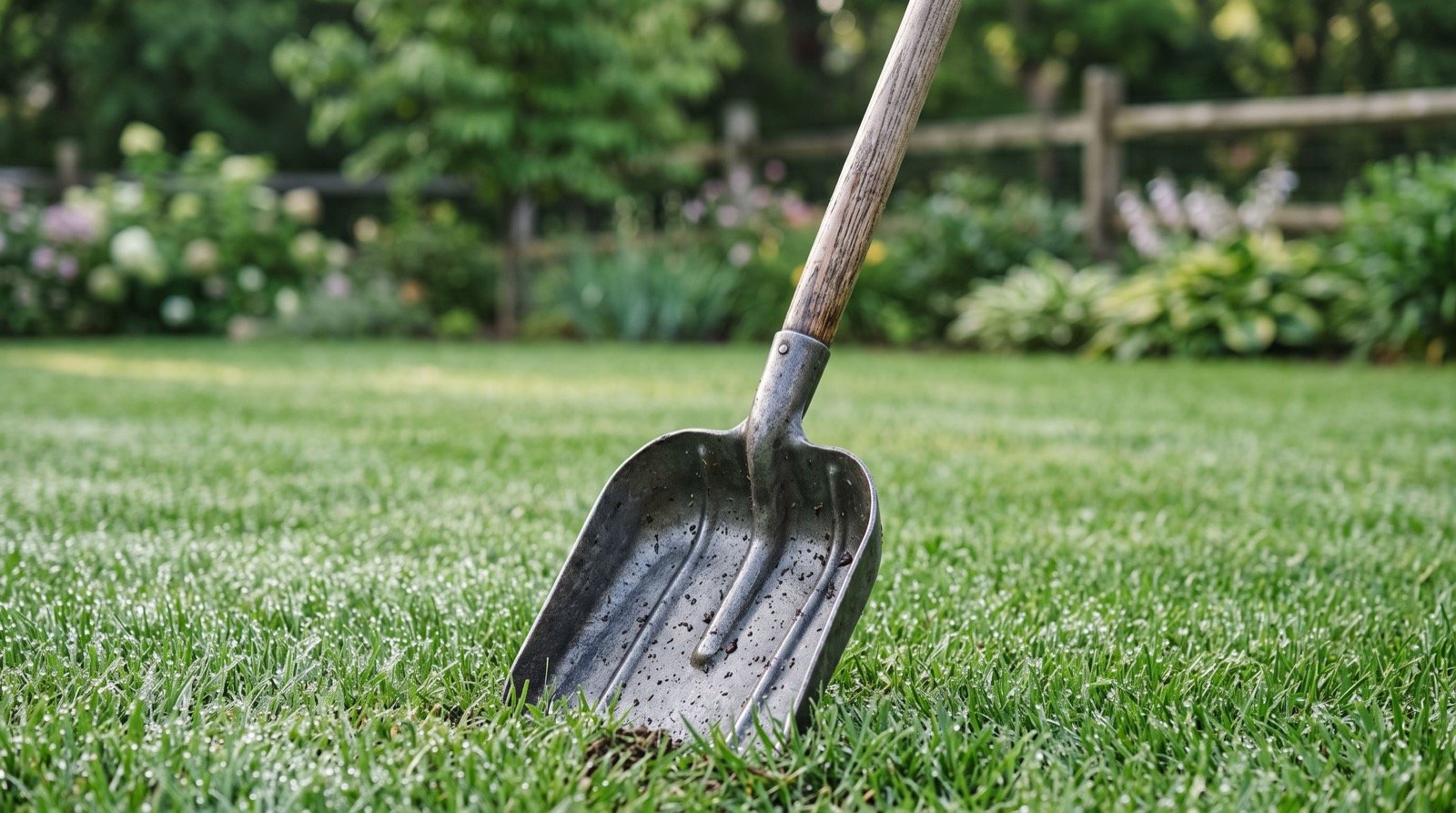
- A compact scooper: for grass and gravel where hands-and-bag gets messy.
- Hand sanitizer: the finishing touch for genuine peace of mind.
If your walks pass parks or trails, keeping a Pooper Scooper nearby on the leash clip means you can tackle messes on any surface without crouching into wet grass.
Sizing Bags to Your Dog
A teacup breed and a mastiff do not need the same bag. Undersized bags force awkward handling, while oversized ones waste material. Match the bag to the dog, and the whole process gets cleaner.
Bag Types Compared
| Bag Type | Leak Resistance | Eco Profile | Best For |
|---|---|---|---|
| Standard poly | Good | Low | Everyday value |
| Thick heavy-duty | Excellent | Low | Large dogs |
| Plant-based / compostable | Fair to good | High | Eco-minded owners |
| Scented | Good | Low | Odor control |
How Do You Never Run Out of Dog Poop Bags on a Walk?
Running out mid-walk is the classic failure, and it is entirely avoidable with a simple system.
- Keep a full roll in the dispenser plus two spares in your jacket.
- Refill the dispenser every Sunday so it becomes a habit, not a scramble.
- Buy in bulk so a backup box always waits by the door.
- Set a phone reminder when you open your last roll.
Practical tip: tuck two folded bags under your phone case or in your dog’s harness pocket. That tiny redundancy has saved me on countless surprise second stops.
Finding Supplies and Help Locally
You can stock up online or at any pet store, but it pays to buy from a brand that specializes in cleanup rather than a generic multipack. A quality Dog poop bag designed for real-world use rarely tears, and that reliability is worth the small premium.
For yard-scale cleanup beyond walks, some owners bring in an experienced local team for periodic deep cleans, then handle daily pickup themselves with a solid kit.
Storing Bags So They Last
Heat and sunlight degrade thin plastic, so do not leave a roll baking on the car dashboard. Keep spares in a cool drawer or a sealed dispenser, and rotate stock so older bags get used first. Simple storage keeps every bag strong when you need it.
Dispensers and Clips: The Small Gear That Makes It Automatic
The difference between an owner who always has a bag and one who constantly forgets is rarely memory; it is hardware. A good dispenser removes the decision entirely because the bag is already on the leash when you need it.
- Leash-clip dispensers: ride on the handle so grabbing a bag is one motion, even with a dog pulling.
- Belt or waistband clips: keep a spare roll on you for longer hikes away from the leash.
- Silicone key-ring holders: stash a single emergency bag on your keys for unplanned outings.
- Tie-handle rolls: let you knot a full bag to the leash hands-free until you reach a bin.
Pick one that matches how you actually walk, then load it and forget it. The gear does the remembering so you never have to.
Reading a Bag Label Like a Pro
Marketing on bag boxes can be noisy, so focus on the few specs that predict real performance. A thirty-second label check tells you more than any brand slogan.
Check the thickness in microns first; anything labeled extra-thick or multi-layer resists the punctures that cause the dreaded leak. Confirm the unfolded dimensions, because a bag that looks fine folded can be too short to tie off for a large dog. If sustainability matters to you, look for a recognized compostable certification rather than vague “eco” wording, which often means nothing. Finally, note whether the roll fits your dispenser core, since an odd-sized roll you cannot load defeats the whole system.
Owners who read labels this way stop buying the same disappointing bag twice. One informed purchase replaces a drawer of half-used, too-thin rolls.
Handling the Bag After the Scoop
The job is not finished when the bag is full; how you seal and carry it decides whether the walk stays pleasant. A clean finish is mostly technique.
Tie the bag with a double knot close to the contents to squeeze out air and lock in odor. If you are far from a bin, clip the sealed bag to a dedicated carabiner or drop it in an outer pocket rather than swinging it from a finger, which invites a messy snag. At home, drop it straight into a lidded outdoor bin, not the kitchen trash, so your house never carries the smell. These small moves turn the back end of the walk from a nuisance into a non-event.
Frequently Asked Questions
Are compostable dog poop bags actually better?
They reduce plastic, but only break down properly in the right conditions. If your area lacks commercial composting, a certified compostable bag still beats standard plastic for the environment, though it may cost a little more.
How many bags should I carry per walk?
Carry at least two, even for a short walk. Dogs frequently go twice, and a surprise second stop with no backup bag is the exact scenario you want to avoid.
Can I flush dog waste instead of bagging it?
Most municipalities advise against flushing because it can overload septic systems and treatment plants. Bagging and binning remains the safest, most widely accepted method.
Do scented bags really help with odor?
Scented bags mask smell on the walk home and in the bin, which is pleasant in summer. They do not replace a thick, leak-proof bag, so prioritize durability first and scent second.
Etiquette on Shared Trails and Sidewalks
A walk kit is only half the equation; how you use it in public spaces matters just as much. Good etiquette keeps trails open to dogs and keeps neighbors friendly.
Always pick up immediately, even on a wooded trail where it feels like nature will handle it. It will not, at least not fast enough, and the next hiker or dog does not deserve to find it. Never leave a tied bag on the trailside “to grab on the way back,” because those bags are routinely forgotten and become litter that is worse than the original waste.
Carry out what you pack in. If a bin is not available at the trailhead, keep the sealed bag in an outer pocket or a dedicated carry pouch until you reach one. A thick, well-sealed bag makes this genuinely tolerable, which is one more reason bag quality matters.
Teaching Kids the Routine
If your children walk the dog, the walk kit becomes a simple teaching tool. Show them how to load a bag, scoop, seal, and sanitize, and the habit sticks for life. A one-handed scooper is especially helpful here because it removes the awkward crouch that makes kids rush or skip the job.
Seasonal Adjustments to Your Kit
Your walk kit should flex with the weather. Small tweaks keep it working year-round instead of failing when conditions get tough.
In summer, heat accelerates odor, so scented or extra-thick bags and more frequent sealing make a real difference. In winter, cold stiffens thin plastic and gloved hands struggle with small ties, so switch to larger, easy-grip bags and a scooper you can operate with mittens. In rainy seasons, a covered dispenser keeps your roll from turning into a soggy, unusable clump.
These adjustments take seconds but spare you the frustration of a kit that only works in perfect conditions. A little seasonal planning is the quiet mark of an owner who never gets caught out.
Final Word
A dependable supply of dog poop bags, a leash-mounted dispenser, and a compact scooper turn cleanup from a chore into a habit you never skip. Size your bags to your dog, keep spares everywhere, and store them cool. Build the kit once, and every walk in 2026 stays clean and stress-free. Ready to gear up? Assemble your walk kit today and never dread a surprise stop again.